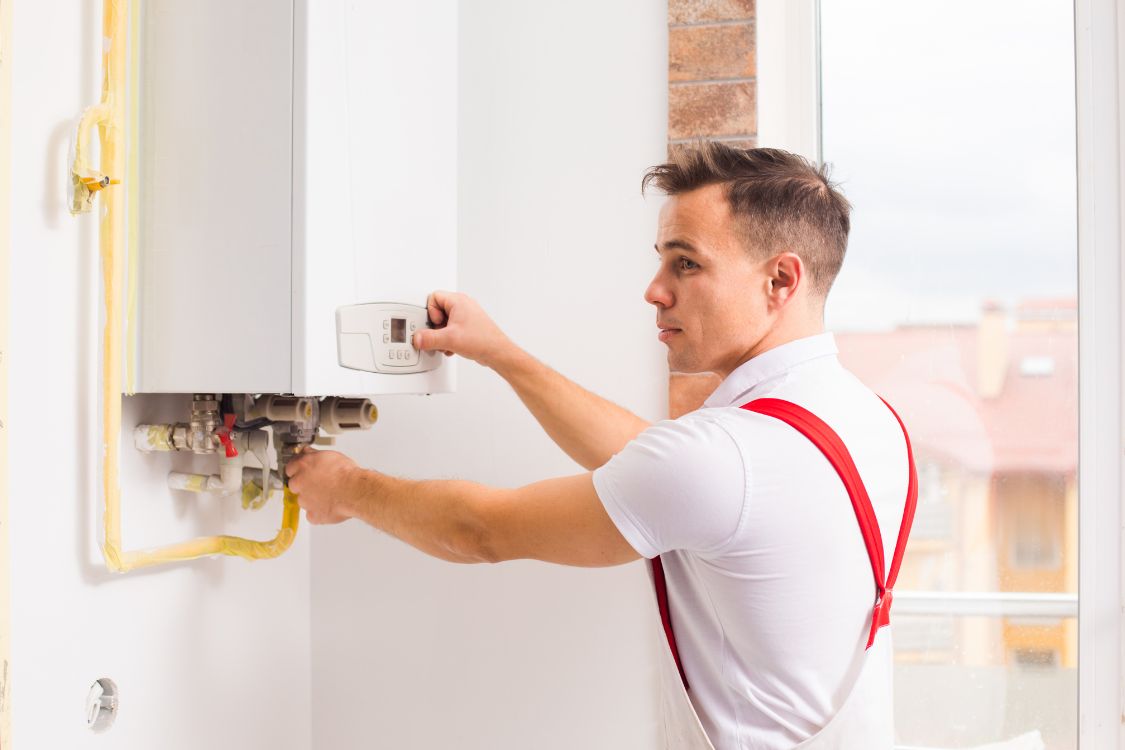
Living in Glasgow means we are well-accustomed to the unpredictable nature of the weather. One minute it is pouring with rain, and the next, there is a biting wind coming off the Clyde. In this climate, your home’s heating system is not just a luxury; it is an absolute necessity. Most of us do not give our boilers a second thought until they stop working, usually on the coldest morning of the year. However, waiting for a total breakdown before considering a boiler replacement in Glasgow can lead to unnecessary stress and inflated costs.
Modern boilers are significantly more efficient than those manufactured even a decade ago. If your current unit is struggling to keep up with the demands of a busy household, or if you find yourself constantly adjusting the thermostat to stay comfortable, it might be time to look at the alternatives. A new installation is an investment, certainly, but it is one that pays dividends in terms of reliability, lower energy bills, and peace of mind when the frost starts to settle on the windows.
How to tell if your current boiler is on its last legs
It is often tempting to patch up an old boiler with frequent repairs, but there comes a point where the cost of call-outs and spare parts outweighs the price of a new system. Recognising the warning signs early can save you from an emergency situation in the middle of January. Many homeowners in Glasgow deal with older pipework and systems that have been put under significant strain over the years.
- Your energy bills are steadily increasing despite your usage remaining the same.
- The boiler makes strange banging, whistling, or gurgling noises when it starts up.
- You frequently need to bleed your radiators or top up the system pressure.
- It takes much longer for your home to heat up than it used to.
- The pilot light frequently goes out or the flame appears yellow instead of a crisp blue.
If you notice any of these symptoms, it is worth consulting a professional. Continuing to run an inefficient boiler is essentially throwing money away. When you finally decide to go ahead with a boiler replacement glasgow, choosing a local team who understands the local architecture—from traditional red sandstone tenements to modern suburban builds—is vital for a smooth transition.
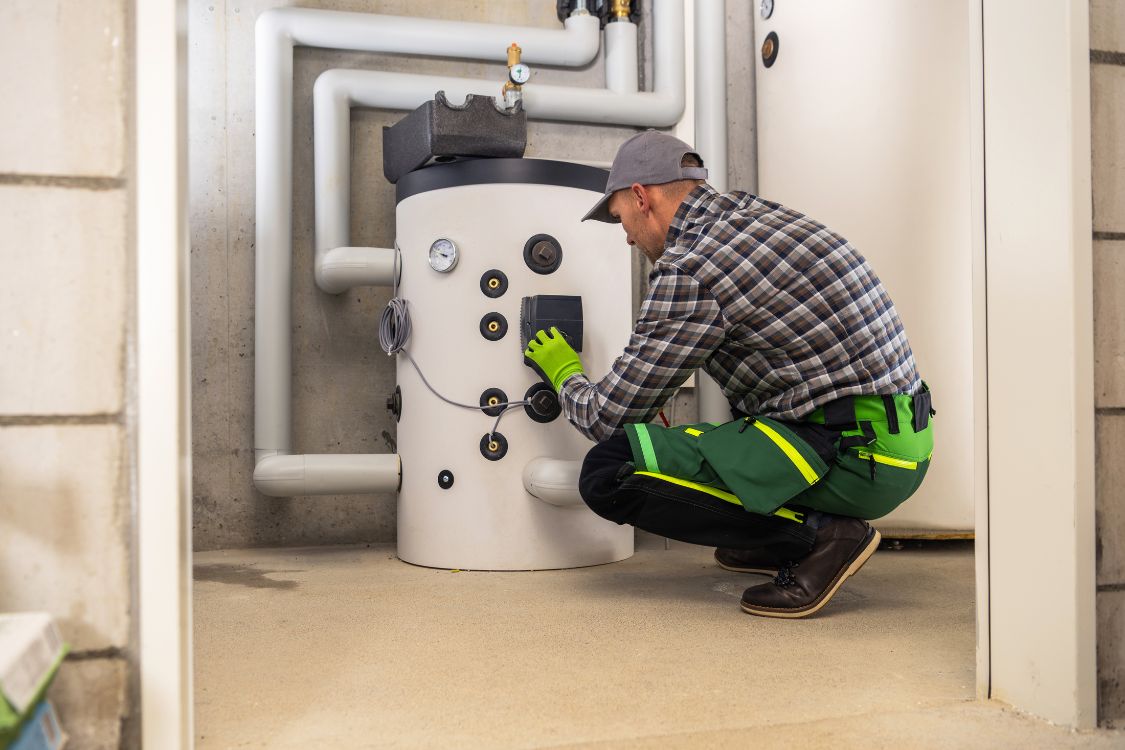
Navigating the unique challenges of Glasgow properties
Glasgow is famous for its diverse range of housing. Whether you are living in a high-ceilinged flat in the West End or a semi-detached house in the Southside, each property type presents its own set of heating challenges. In older tenements, for example, the original pipework may not be suited to the high pressure of a modern combination boiler without some modifications. Conversely, newer homes might have been built with specific zoning that needs to be integrated into a new system.
A professional surveyor will look at your property’s layout and your family’s hot water usage before recommending a specific model. They will consider the distance between the boiler and the bathrooms, the number of radiators, and even the water pressure in your specific area of the city. This tailored approach ensures that your new boiler does not just fit the space, but actually performs optimally for your specific needs.
The financial benefits of upgrading to a modern system
The primary reason most people hesitate to replace their boiler is the initial cost. However, the long-term savings are often quite dramatic. Modern condensing boilers are designed to recover more heat from the exhaust flue gases and use it to heat the central heating water. This makes them significantly more efficient than older non-condensing models. By converting more of the gas you pay for into actual heat for your home, you can reduce your carbon footprint and your monthly outgoings simultaneously.
Energy efficiency ratings explained
Most older boilers operate at about 60% to 70% efficiency, meaning for every pound you spend on gas, 30 to 40 pence is wasted. In contrast, new A-rated boilers operate at 90% efficiency or higher. Over the course of a year, this can lead to savings of hundreds of pounds on your energy bills. When combined with modern smart thermostats and thermostatic radiator valves, you gain even more control over how and where you use energy in your home.
Choosing the right type of boiler for your home
When looking into a boiler replacement in Glasgow, you will likely be presented with three main types of systems. Each has its own benefits depending on the size of your household and your lifestyle.
- Combination (Combi) Boilers: These are the most popular choice in the UK. They provide both heating and hot water directly from the boiler without the need for a separate water tank. They are excellent for saving space, making them ideal for Glasgow flats.
- System Boilers: These require a cylinder for storing hot water, but the major heating and hot water components are built into the boiler itself. They are great for homes with multiple bathrooms where several people might need hot water at the same time.
- Regular (Conventional) Boilers: Often found in older properties, these require both a hot water cylinder and a cold water storage tank, usually located in the loft. If you have an older system with high demand, replacing it with a modern regular boiler can sometimes be the most straightforward option.
What to expect during the installation process
A standard boiler replacement usually takes between one and three days, depending on the complexity of the job. If you are simply swapping an old combi boiler for a new one in the same location, the process is relatively quick. However, if you are moving the boiler to a different room or converting from a traditional system to a combi, the work will involve more extensive pipework and potentially some minor floorboard lifting.
A reputable installer will always start by protecting your carpets and surfaces. Once the old unit is removed, they will often perform a system flush to clear out any sludge or debris from your radiators. This is a crucial step; installing a brand-new boiler onto a dirty system can lead to premature failure and may even void your warranty. After the new unit is mounted and connected, the engineer will test the system thoroughly to ensure everything is gas-safe and functioning at the correct pressure.
Maintaining your new investment
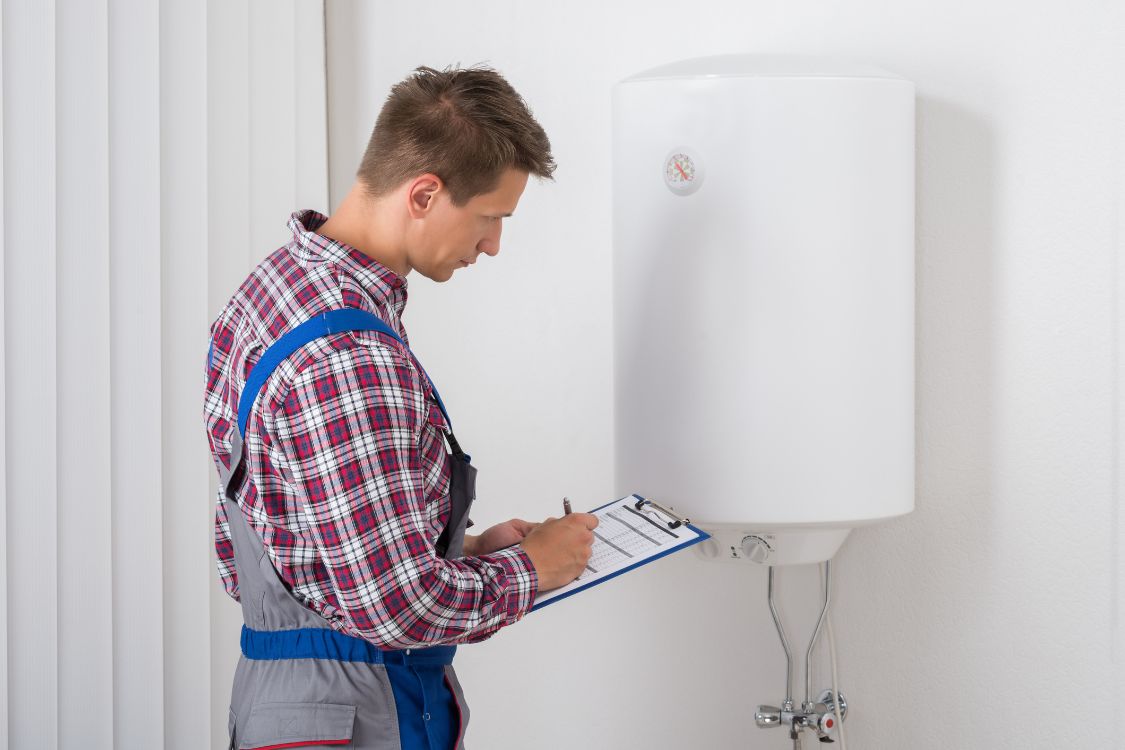
Once your new boiler is installed, the key to longevity is regular maintenance. Most manufacturers require an annual service by a Gas Safe registered engineer to keep the warranty valid. This service is not just a box-ticking exercise; it involves checking the internal components, cleaning the heat exchanger, and ensuring the flue is discharging gases safely. In a city like Glasgow, where the weather can be harsh, knowing your boiler is in top condition before the winter hits provides immense peace of mind.
Beyond the professional service, there are small things you can do to keep the system running smoothly. Keeping an eye on the pressure gauge and ensuring your radiators are balanced will help the boiler run more efficiently. If you have a smart thermostat, taking the time to programme it according to your daily routine can further optimise your energy consumption, ensuring you are never heating an empty house while you are at work or out enjoying the city.

A freelance science writer specialising in emerging technologies, collaborative research projects, and making complex scientific concepts accessible to a wider audience.